

RAY RUSSELL

"Like contemporaries Sonny Sharrock and Terje Rypdal, Russell makes it sound as if the guitar is not enough, as if he's reaching for something wilder, something that can't be contained within the 6 string cage"
-Jim O'Rourke

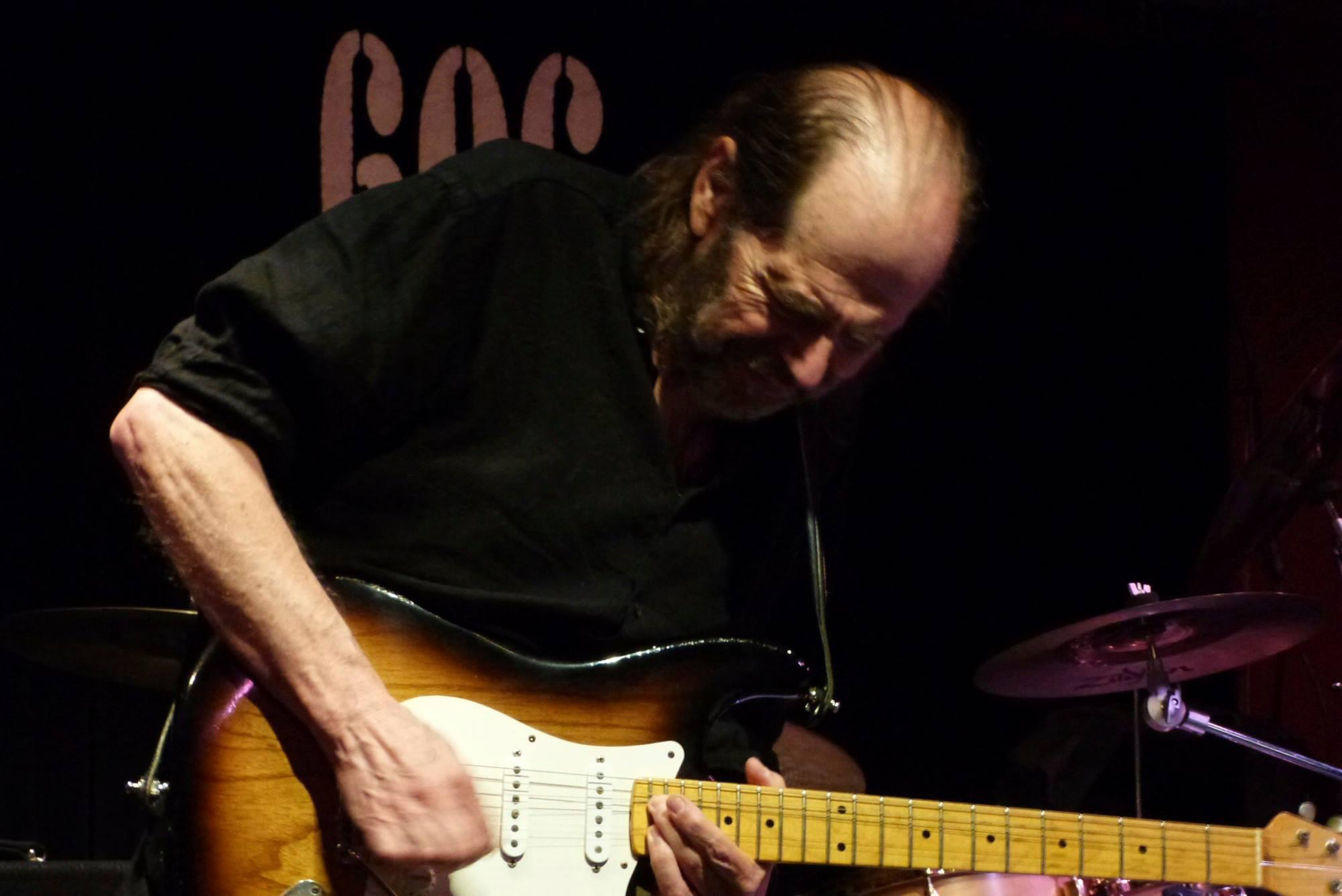
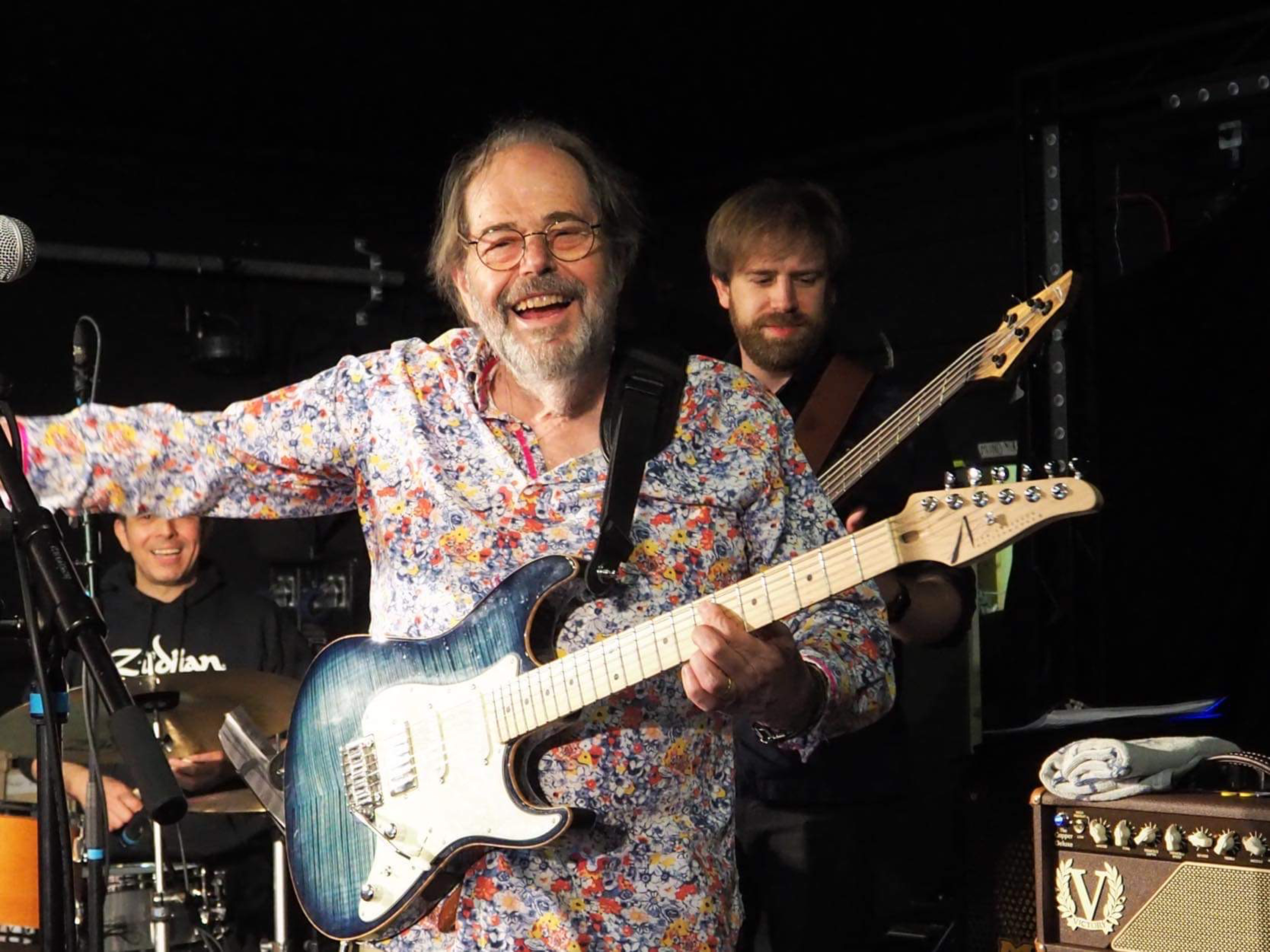
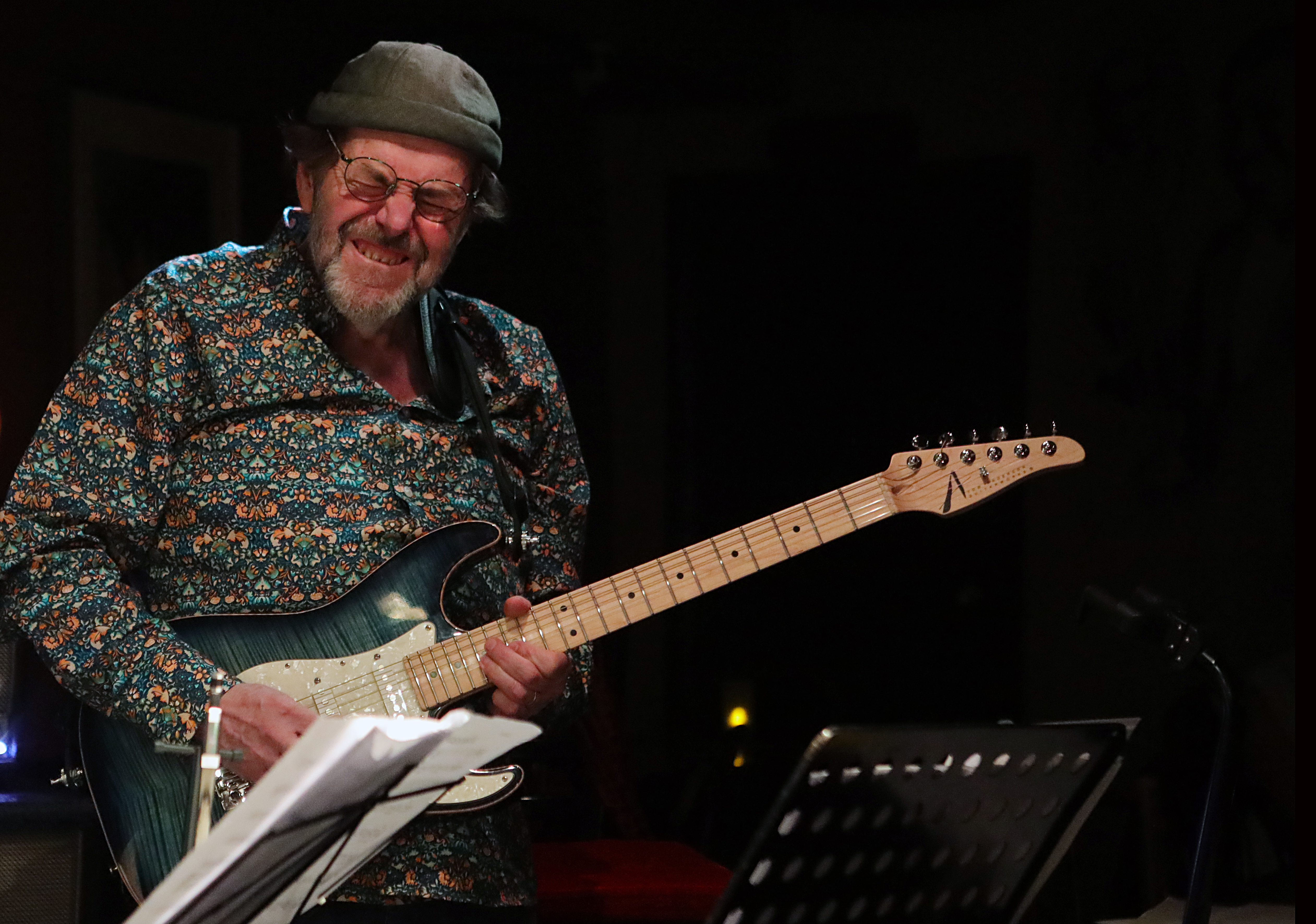
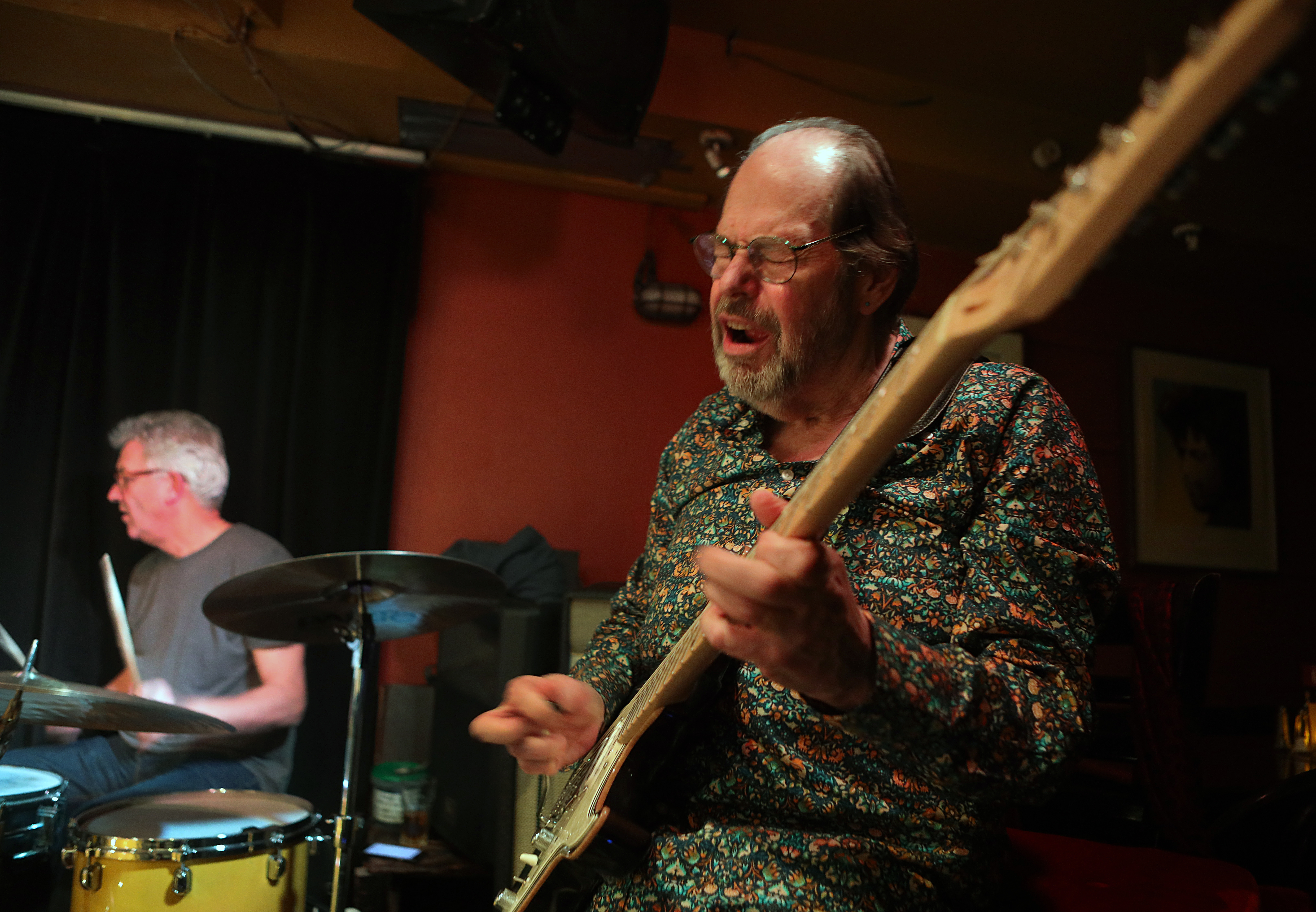
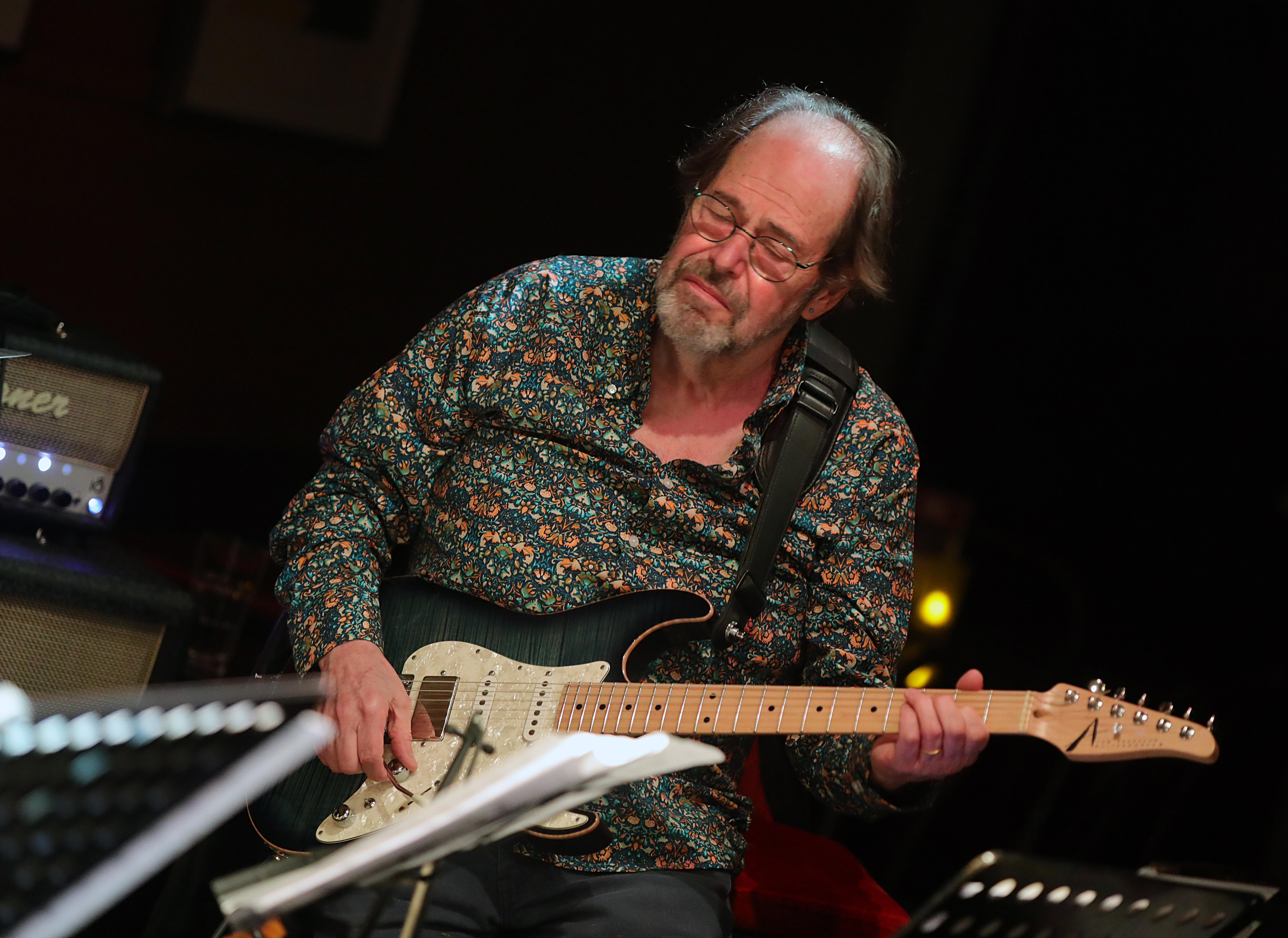
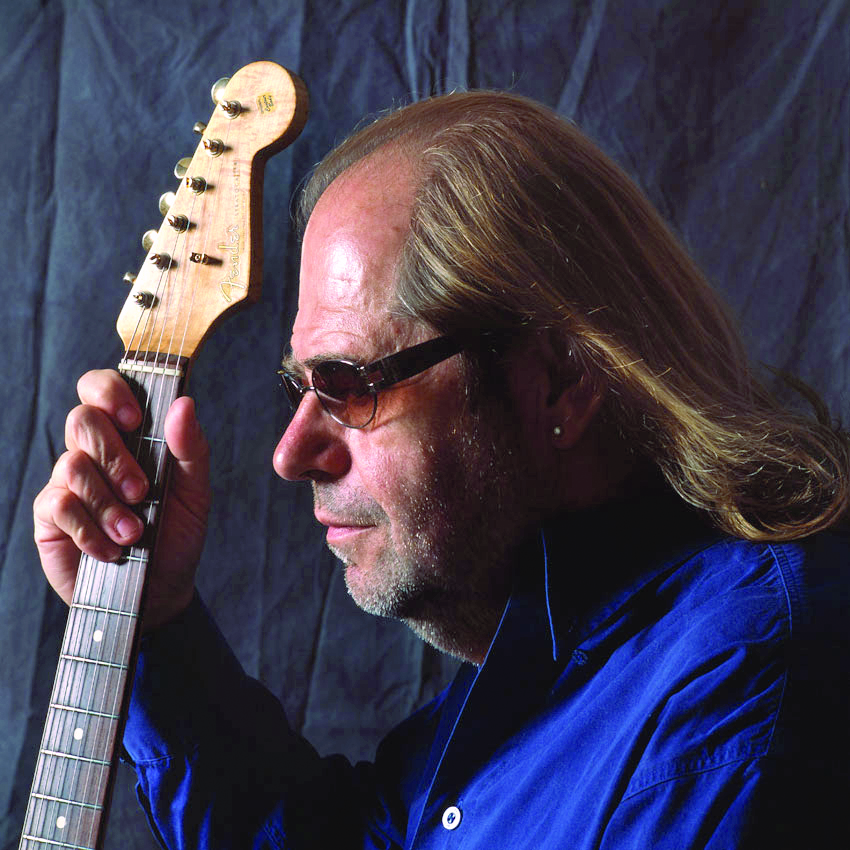
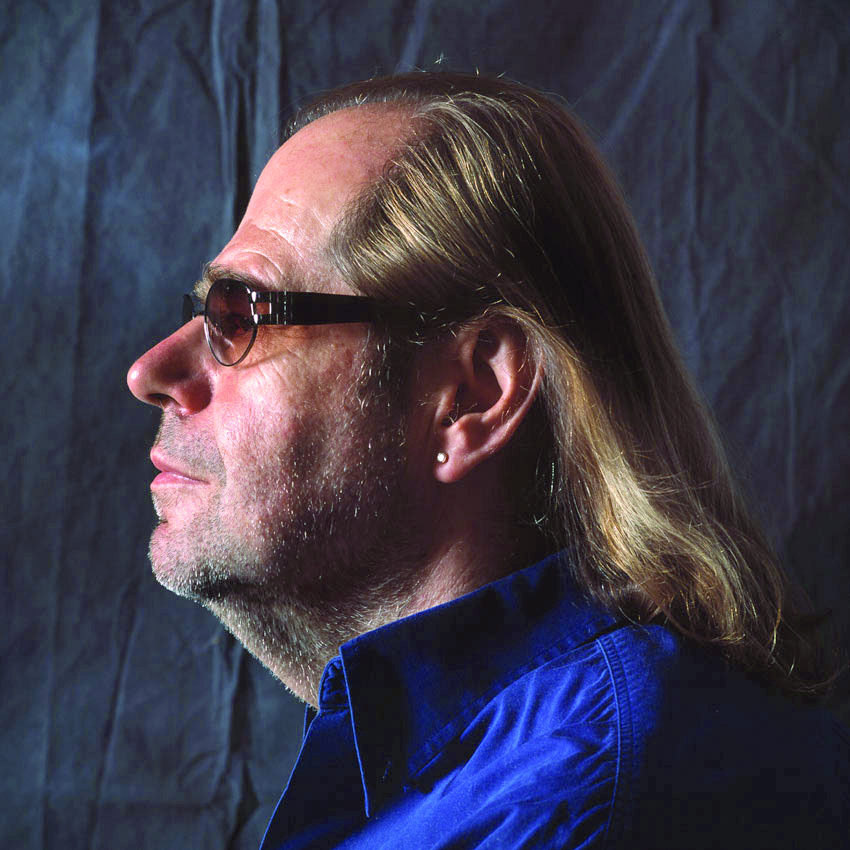
Guitarist Ray Russell has been a professional musician since he was 15 and he joined the John Barry Seven (famous for their James Bond soundtracks). Not hugely known to the general public, for nearly six decades he has worked with artists as diverse as Nucleus, Gil Evans, Van Morrison, Cat Stevens, Bill Fay, Jack Bruce, Michael Gibbs, Tina Turner, Bryan Ferry and many, many others. His wide-ranging solo career got into gear during the late 60s and can be viewed as a simultaneous and wilder variant of the same path towards electric jazz that Miles Davis and others took during this time, releasing a number of very collectable and ahead of their time albums, and becoming one of the earliest truly 'out' guitarists of the late 60s in the process.

"Not only is the guitar playing inventive and intuitive but the interaction between horns and the rhythm section is muscular and supportive. Given the nature of this proceeding, a large band playing live with scant arrangements, deep listening was required by all participants. The disaster quotient was high, but The Celestial Squid delivers the opposite in spades. It is a welcome return to the athletic fringes for Russell and one of the most inspired and striking of Kaiser's two-guitar encounters to date." – All Music Guide
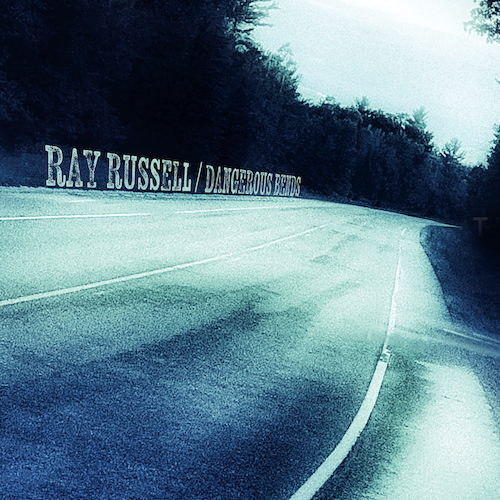

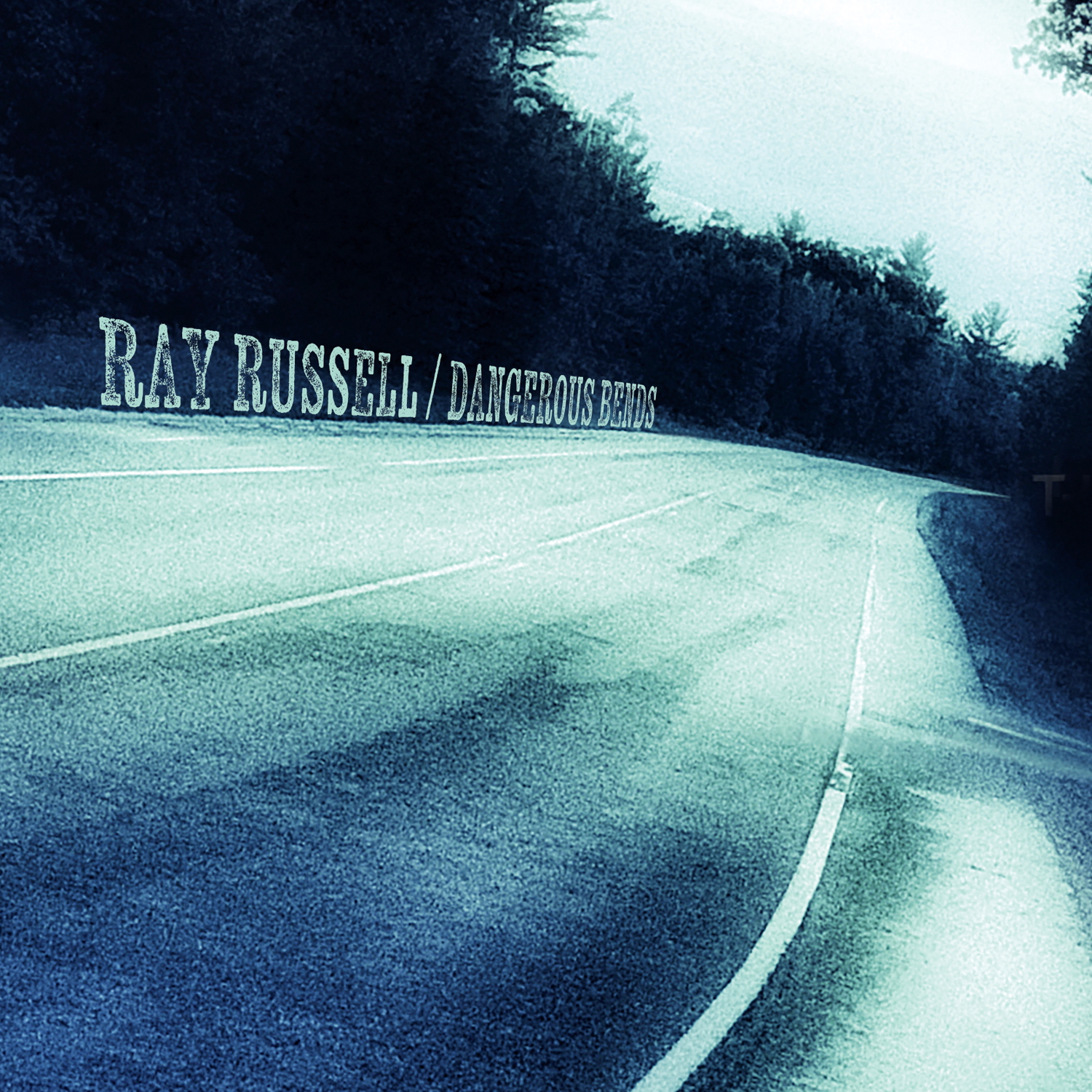
DANGEROUS BENDS


RUNE 553

The first thing you’re likely to notice when you hear Ray Russell’s Dangerous Bends is his sound, his extraordinary guitar sound. On guitar, he flies at heights only attempted by David Gilmour’s soaring melodies, navigating musical twists and turns with the nuanced filigree of Jeff Beck and the angular fluidity of Allan Holdsworth. No surprise, though: This is no list of heroes; Jeff Beck, Allan Holdsworth and David Gilmour are Russell’s coequals, his peers. And while Russell’s name might not have reached the same kind of household status as that trio of legends, his guitar playing has.

You’ve heard the teenage Russell’s guitar on vintage James Bond soundtracks, seven films starring Sean Connery and Roger Moore recorded back in the '60s and '70s when Russell was a member of the John Barry Seven. His presence accompanying, producing and/or composing for the silver screen spans his career—you can even hear him on the soundtrack to the modern comedy classic Anchorman. His film and TV projects have received awards from the Royal Television Society, OFTA (Online Film & Television Association), BAFTA (A Touch of Frost), Oxford International Film Festival (One Note at a Time), ASCAP ("Most Used Music in an American TV Series" for Hard Copy's "New Blood"), British Phonographic Industry (Rock Follies 1976 & 1977), MIP and other professional bodies.

But Russell's list of first-call studio and stage credits may still supersede that work. To only briefly touch on his credits feels like an impossible task, with names like Tina Turner (Private Dancer [5 times Platinum!], Let’s Stay Together), Heaven 17 (The Luxury Gap, How Men Are), George Harrison (Hunting of the Snark; Monty Python's Life of Brian & other HandMade Films), Phil Collins (You Can’t Hurry Love, One More Night), Cat Stevens (1967 tour w Jimi Hendrix Experience), Robert Plant (The Honeydrippers), Art Garfunkle (Bright Eyes) and David Bowie (Space Odyssey, Labyrinth) vying for mention.

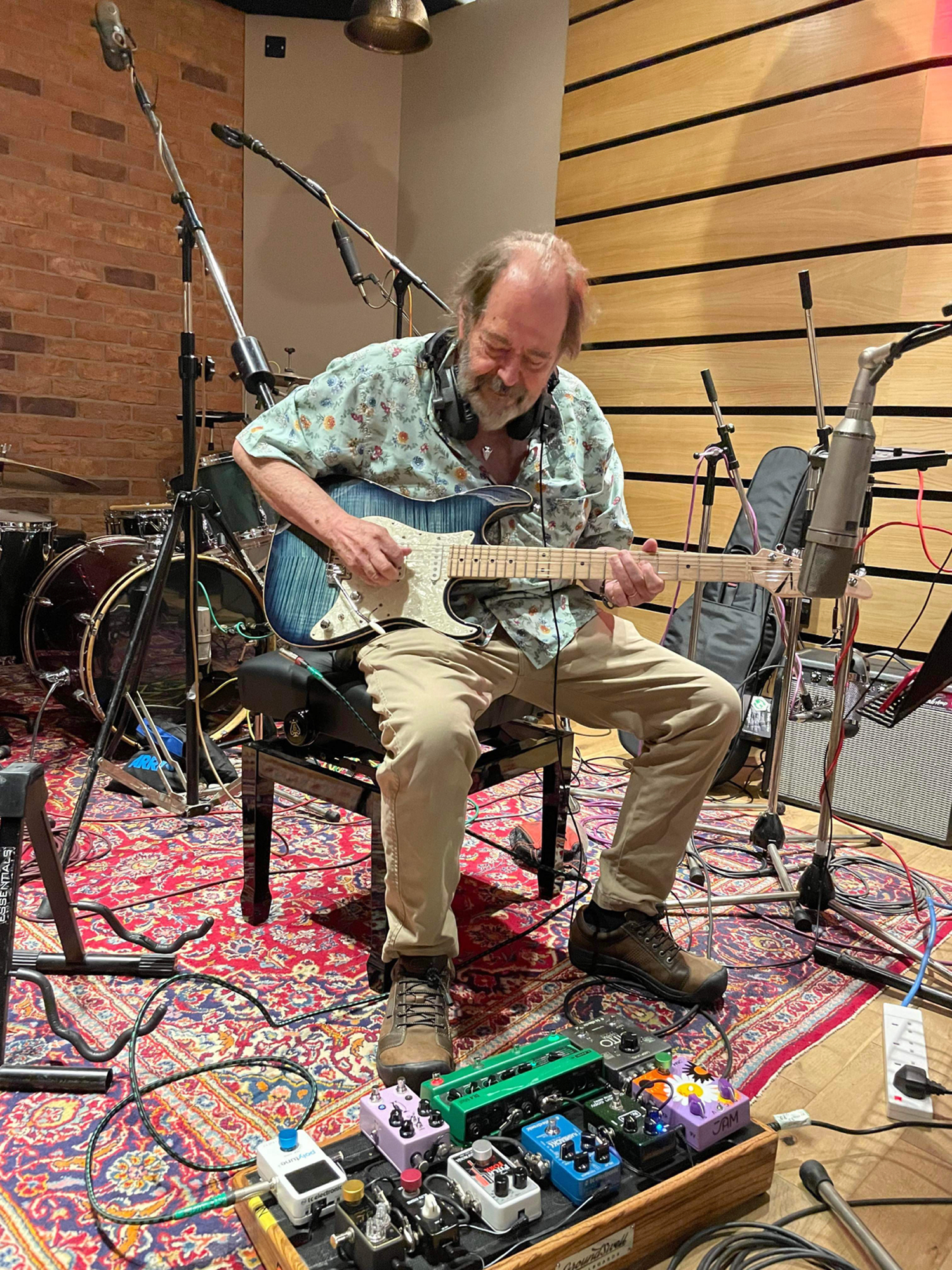
Russell has used his own name to release records that appeal more to his personal forward-leaning tendencies. His albums have captured the rapt attention of taste-making experimental cognoscenti such as Jim O’Rourke, who has famously praised Russell and overseen archival releases. On Dangerous Bends, his newest studio recording, he continues to forge ahead, his ever-evolving Strat sound on full display, making a case that though he’s a player who quite literally has done it all, there’s still more to discover.

Dangerous Bends is Russell’s fourth album as bandleader/composer/guitarist on Washington DC's Cuneiform Records, following the studio albums Fluid Architecture (2020) and Goodbye Svengali (his 2006 tribute to Gil Evans), and Cuneiform's 2021 reissue of Russell's 1972 Secret Asylum. In addition, Cuneiform released two of Russell collaborative projects: Stacked (2026), a live improv recording by Russell, drummer Eddie Prévost and guitarist Nathan Moore), and Celestial Squid, an avant-improv project he co-led with guitarist Henry Kaiser and a band. Russell also appears on Cuneiform’s archival Nucleus release, Live in Bremen, featuring recordings from 1972.

Russell’s inspiration for Dangerous Bends was to do a quintet record mostly live off the floor, sharing the melodic frontline with saxophonist Tim Whitehead (Nucleus, Loose Tubes). For a rhythm section, he tapped Laurence Cottle (Black Sabbath, Bill Bruford) for the bass slot, Jim Watson (Kurt Elling, Sting) on keys, and drummer Ian Palmer (Randy Brecker, Climax Blues Band) for most of the record, who collectively provide what he calls “a telepathic thing—they know where you’re going when you start.”

That connection between players lends an airy, agile feel to the performances on Dangerous Bends—a feeling of sleekly navigating the dynamic peaks and valleys of Russell’s dimensional compositions. It’s by design that Russell wanted to compose to the live feeling of the band, so he wrote quickly to encapsulate the feel of the ensemble. He brought a lesson learned from his work with Gil Evans along with him. “When Gil made Out of the Cool,” he recalls, “a solo section would come up, and there was always this memory of the composition. When you played your solo, it was always to deal with that tune. And it’s not confining because you can break out of it. I tried to do it that way.” That fluidity can be heard as Russell and Watson—on electric piano and ARP Odyssey here—take turns with guest Johnny Thirkell (Level 42, Jamiroquai) on trumpet and flugelhorn to blur the lines between composed and improvised forms on the simmering “From Here to Dexterity.”

Melody lives at the forefront of the ballad “Airscapes.” Russell’s mournful, reverb-drenched dyads evoke the late guitar legend Steve Cropper, as if the intro to Sam & Dave’s “Soul Man” was slowed to glacial speed to serve as a central theme for meditation. “I knew him just a little bit from the old days of playing R&B with Georgie Fame and the Blue Flames. I watched a rerun of the Blues Brothers and got thinking about him.”

Drummer Simon Phillips—known for his own extensive list of credits that put him aside members of rock royalty including Toto, the Who, and Joe Satriani to keep it to a true few—is one of Russell’s longest running co-conspirators. He and Russell keep their collaboration fresh with a pair of tracks on Dangerous Bends. Together, the pair composed the moody, shifting opening track “Just For Clicks,” with Phillips appearing in the drum chair. The drummer’s hard-hitting groove proves a perfect foil for Russell’s sinewy, plasma-like melodic solo that, while it stays “inside” the harmonic framework of the tunes, offers a good example of why all the experimental guitar heads cling to Russell’s work.

They also co-wrote the title track, which finds George Baldwin subbing in on bass. Atop a highly motivated, hard-rocking jammer is a winding melody of big intervals. As it gives way to angular chord breakdowns and vast synth-scapes, Russell’s guitar issues scorched interjections that show off his command not only of technique, but of mountain-moving sound. As a final touch for the album, Russell brought in a producer – Greg Walsh, with whom he'd worked with while playing on Tina Turner's Let's Stay Together.

Dangerous Bends
isn’t just a welcomed new entry into a vast discography from a preeminent 6-stringer, it’s proof that Russell continues to develop as a player and adapt his sound to fit a few years ahead of our contemporary times. His well-oiled band not only supports, but helps lift him above the clouds.

Dangerous Bends press release

Buy this album


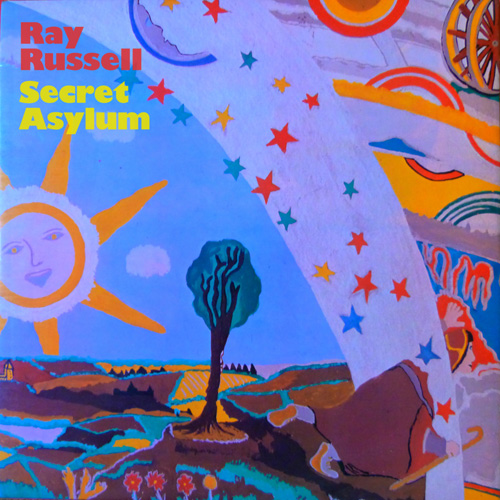
SECRET ASYLUM


RUNE 3354

They are namidanam and hichmalumnist! They mean in Persian merely “I Don’t know” and “Nobody knows”.

‘What would you have me do instead – lie my head off?’, asked Nasrudin :
from The Sufis, Idries Shah.

If, as Mailer said, Picasso is medically good for your eyes, then Russell
is medically good for your ears – Charles Shaar Murray

I wish for change and glimpses – Ray Russell

Harry Beckett – trumpet and flugel horn
Gary Windo – tenor sax and flute
Darryl Runswick – bass
Alan Rushton – drums
Ray Russell – electric and acoustic guitars, and piano

This album was first released in 1973.

chitecture press tia

Buy this album


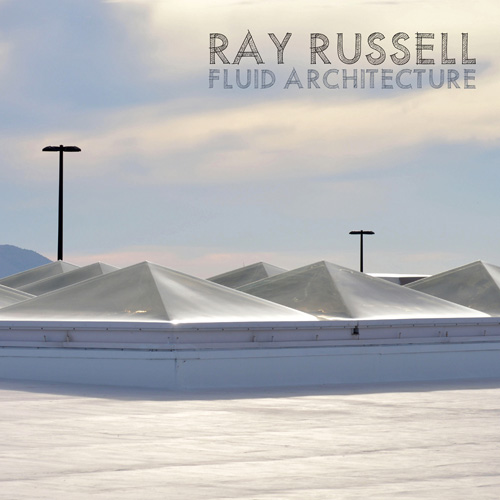
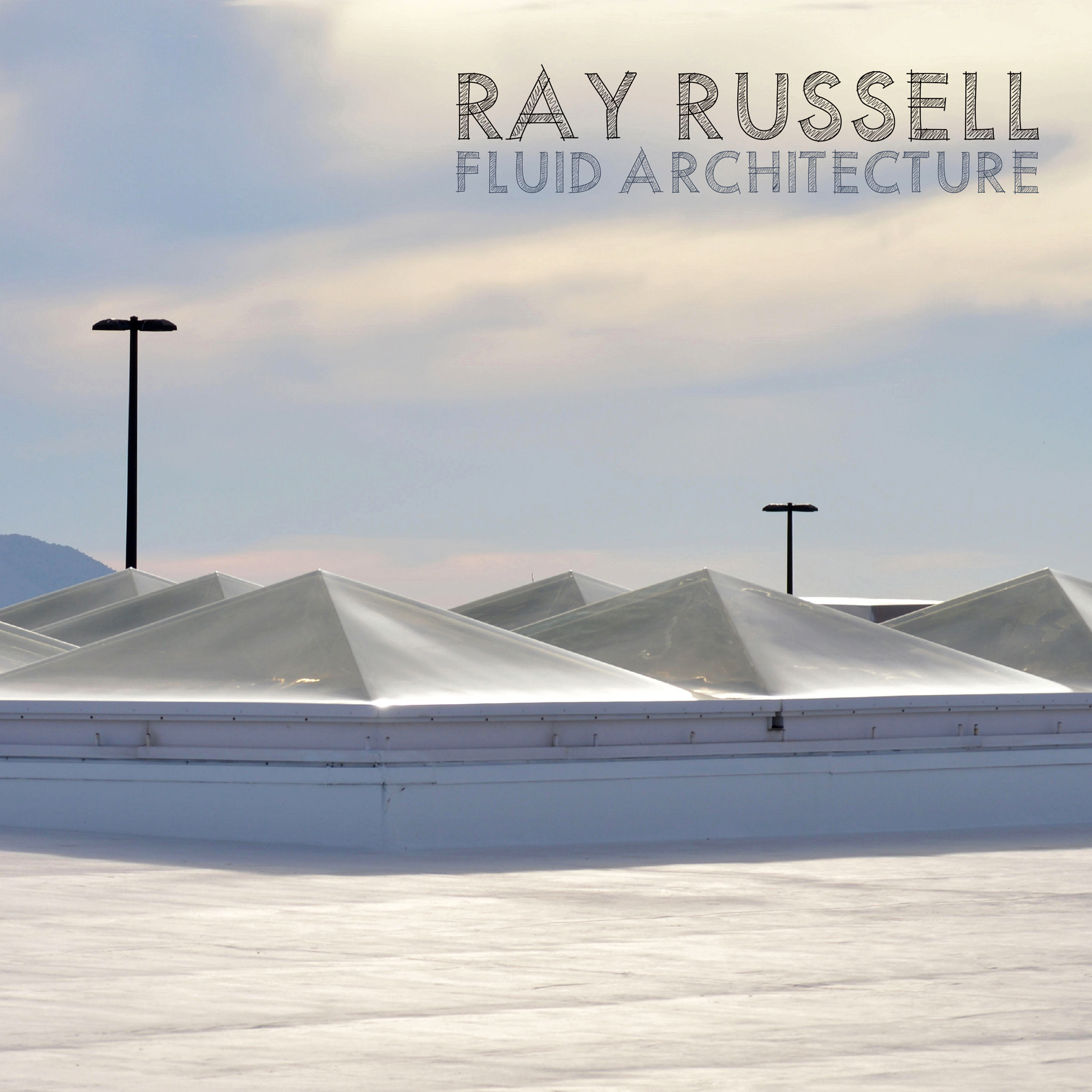
FLUID ARCHITECTURE


RUNE 483

Frank Zappa famously characterized music as sculpted air, a notion Ray Russell parlays into another dimension entirely on Fluid Architecture. Russell's new collection of unique sonic structures – his first solo album since 2013's Now, More Than Ever – reflects the composer and longtime Fender Strat experimentalist's sonic signature – one distinguished by diversity and combining luscious lyricism, screaming expressionism, and an alien vocabulary of textures and colors – often within the same track. Russell's guitar can be as comforting as man's best friend or as threatening as colors out of space.

Past, present, and future entwine on opener "Escaping the Six-String Cage." This sinuous and stately, electronically enhanced edifice subliminally samples Russell's free-music masterpiece, June 11th 1971: Live at the ICA (reissued on Jim O'Rourke's Mokai label). It's the perfect introduction to the architectonic underpinnings of Russell's sound(s).

Fluid Architecture's arrangements focus on unique configurations featuring collaborators old and new. The first of the album's four extended group combustications, "Turn Right at Ventura," applies a sci-fi spin to echoes of the R&B twang heard during Russell's mid-'60s "James Bond" era with the John Barry Seven. A quintet featuring Russell's former RMS drummer Simon Phillips (of Toto fame and oh-so-much more) cooks and careens during a slightly ominous joy ride down Blue Jay Way's somewhat less groovy neighbor.

"We Go a Short Way Back," "Six In – Six Out," and "A Room Within a Room" display Russell's free-associative compositional strategies amid different groups, all eliciting thrillingly narrative and deeply communicative performances. The first of these is a sort of cosmic shuffle, with Russell navigating at his coolest. "Six In – Six Out" reflects its title, with relatively restrained quartet playing giving way to eerier extremes. "A Room Within a Room" is a first-take-best-take gem featuring Chris Biscoe's soprano sax poking through themes within themes and a cloud of high-octane mysterioso. George Baldwin does most of the bottom-end lifting on bass and Chapman stick, with Mo Foster (the M of RMS) replacing him on "A Room Within a Room." Drummers Nic France and Ralph Salmins appear on "We Go a Short Way Back" and "A Room Within a Room," respectively.

"Moon Dog" is a harmonically formal solo, an emotionally resonant electric elegy for a brave stray dog Russell and his wife rescued from Afghanistan. Another elegy, "One for Geoff," offers a short, sweet acoustic tribute to the late keyboardist Geoff Castle, with whom Russell worked for a half-century.

Although you'll hear little of Russell's extensive experience as a library artist and award-winning soundtrack composer in its chambers, Fluid Architecture resonates with Russell's various immersions in R&B, cool jazz, jazz-rock/rock-jazz fusion, and absolute freedom. They're just some of design elements informing a structure that reserves the right to dissolve its boundaries at will. And if you choose to dance to Fluid Architecture, ain't nobody's business if you do.

Fluid Architecture press release

Buy this album


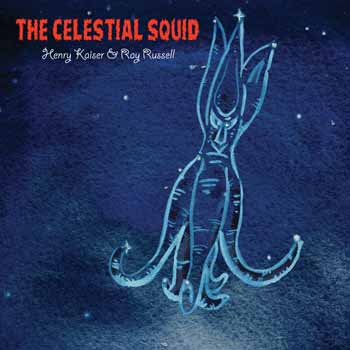
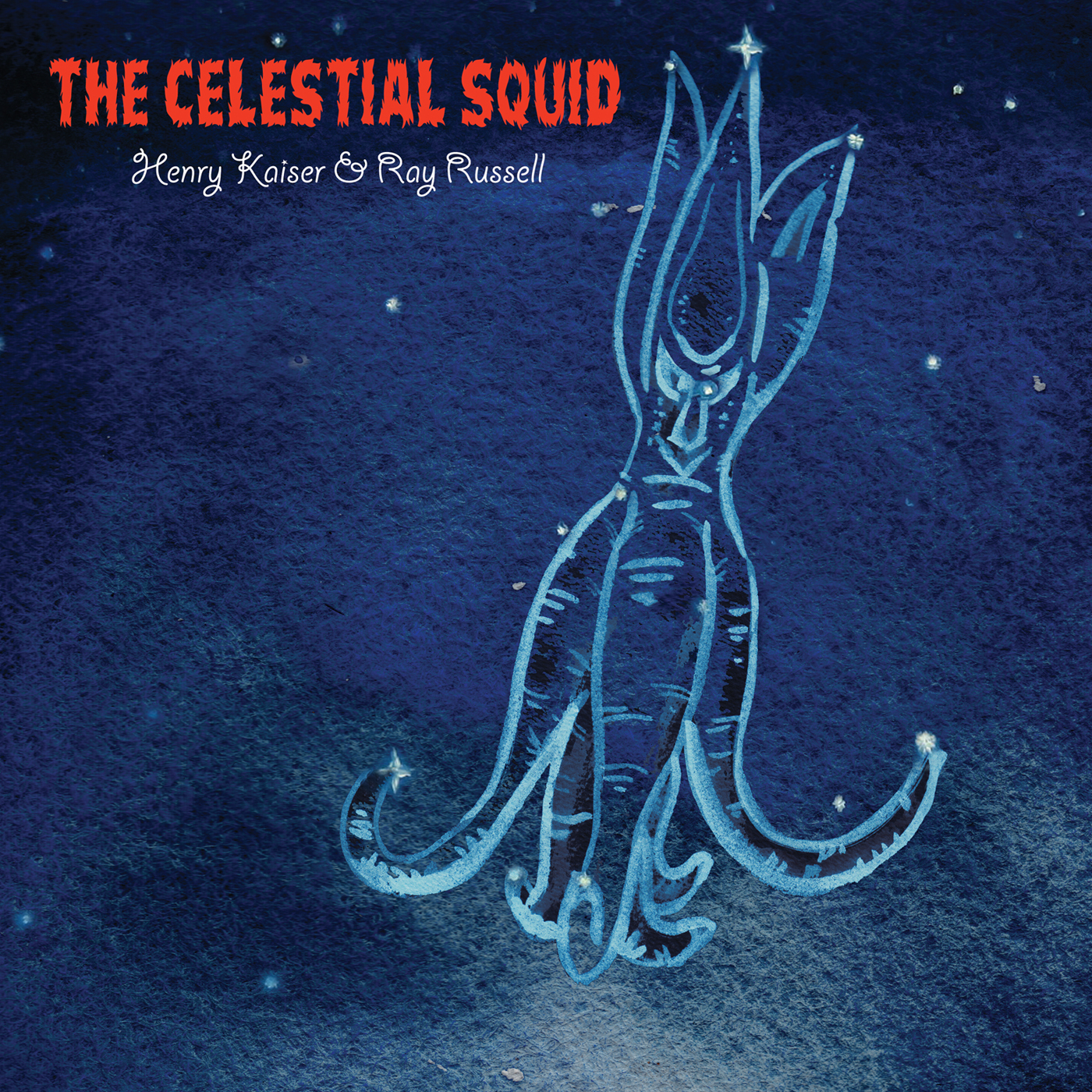
THE CELESTIAL SQUID
(with Henry Kaiser)


RUNE 403

Guitar summits don't ascend higher than when legendary British free-jazz pioneer and longtime session ace Ray Russell meets the brilliant California avant-improv overachiever and Antarctic diver Henry Kaiser in the realm of The Celestial Squid. With more than countless session and soundtrack performances to his credit, including the early James Bond film scores, Russell is returning to his bone-rattling, noise-rocking roots for the first time since the very early 70s. You'll be shaken and stirred as Kaiser, Russell and eight super friends deliver a no-holds-barred, free-range sonic cage match.

Russell created some of the early '70s' most outrageously outside music, releasing hallmark works of guitar shock-and-awe. Russell's "stabbing, singing notes and psychotic runs up the fretboard have nothing to do with scalular architecture," wrote All Music's Thom Jurek, "but rather with viscera and tonal exploration." Russell anticipated the wildest and most intrepid vibrations of Terje Rypdal, Dave Fuzinski, Sonic Youth, Keiji Haino, Tisziji Muñoz and their boundary-dissolving ilk. Russell is hardly a niche performer, though. Untold millions of music and film fans have actually, if unknowingly, already enjoyed Russell's riffs – at least if they saw any of the James Bond films that John Barry scored, beginning with Dr. No in 1962.

For over 40 years, Russell would not make such exploratory music until West Coast guitar experimentalist Henry Kaiser called him out of the blue and asked if he would be interested in co-leading an ensemble in the style of his '71 masterpiece, Live at the ICA: June 11th 1971. Russell was surprised and delighted by the offer, and readily accepted. Why had he waited so long to once again explore the free-jazz spaceways you might well wonder? Simple – no one had asked him to do so!

So on April 12, 2014, Henry Kaiser and Ray Russell – along with drummers Weasel Walter and William Winant, bassists Michael Manring (electric) and Damon Smith (acoustic), and saxophonists Steve Adams, Joshua Allen, Phillip Greenlief, and Aram Shelton – entered Berkeley, California's Fantasy Studios for a day-long session that resulted in The Celestial Squid, a nearly eighty-minute embryonic journey through the deepest waters and most cosmic heights of improvised music. Except for melodic heads and compositional structures, everything on The Celestial Squid is improvised, down to some astonishing extemporaneous horn arrangements. While The Celestial Squid echoes the raw energy and youthful bravado of Russell's earliest achievements, this music synergizes the combined power and imagination of all ten of these musical masters into a force to be reckoned with

Celestial Squid press release

Buy this album


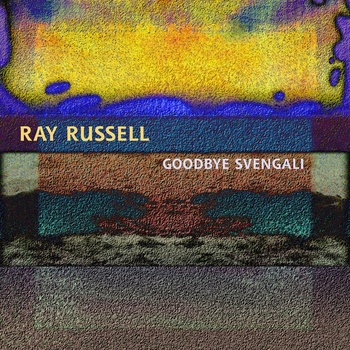
GOODBYE SVENGALI


RUNE 223

Robin Aspland - Fender Rhodes piano and Hammond B3 organ [1/8]
Amy Baldwin - double bass [1/3/8]
Gil Evans - keyboards [4]
Miles Evans - trumpet [3]
Mo Foster - bass guitar [6]
Gary Husband - drums and keyboards [3/6/9]
Tony Hymas - keyboards [10]
Anthony Jackson - double bass [10]
Phil Peskett - keyboards [2]
Simon Phillips - drums [10]
Ray Russell - electric and acoustic guitars [all tracks]
Ralph Salmins - drums [1/8]

Goodbye Svengali is influenced by and dedicated to visionary jazz arranger Gil Evans, and includes one of Gil's final recordings. It is an album that mixes dark fusion, lyrical guitar pieces and icy soundscapes. Ray's playing style can be compared to such great players as Sonny and Terje, as Jim noted, but also to John McLaughlin, John Abercrombie and Jeff Beck! Includes performances by noted U.K. fusion/rock players such as Mo Foster, Gary Husband, Tony Hymas, Simon Phillips and others.

"Ray Russell’s back with his first solo record in 14 years and, man, it’s good. What began as an idea for a series of duets expanded into a much grander project. From a lovely Goodbye Pork Pie Hat with just Russell and Gil Evans (recorded back in the eighties) to the out-and-out rock of Blaize, this is a staggeringly wide-ranging album. There’s some of the free jazz/rock Russell pioneered in the sixties and seventies on Everywhere and in the wild guitar/drums section on the title track. But there’s also a softer, tender side present on Without a Trace and Wailing Wall and a filmic quality to So Far Away. Yet it never sounds cluttered or fragmented. Instead it moves always easily and convincingly through styles and modes. It’s Russell’s sound that dominates but that takes nothing from the bravura playing of Gary Husband and, Russell’s daughter, Amy Baldwin (fabulous on double bass) or from Miles Evans’ touchingly emotional trumpet on Goodbye Svengali. Fusion or jazz/rock rarely sounds this good." – Jazzwise/Duncan Heining

Goodbye Svengali press release

Buy this album


MEDIA
For press and media: cover art and high resolution images are available below for download (click thumbnail, right-click image and select "Save As.."). Please credit the photographer (when available) and "Courtesy of Cuneiform Records". For more information, click here.

Ray Russell - Dangerous Bends
Ray Russell - Fluid Architecture
Henry Kaiser and Ray Russell - The Celestial Squid
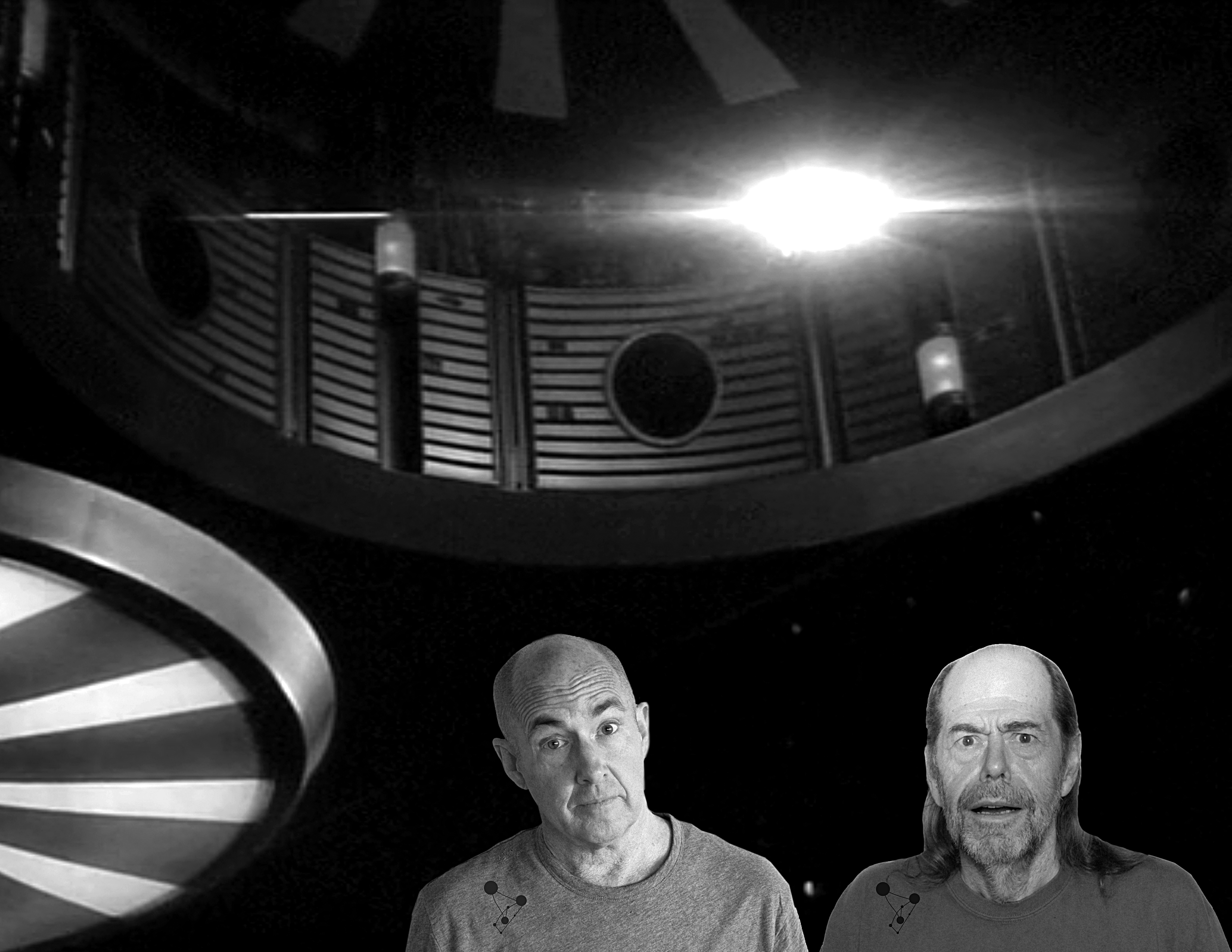
Ray Russell - Goodbye Svengali

PRESS RELEASES
Dangerous Bends press release
Fluid Architecture press release
Celestial Squid press release
Goodbye Svengali press release

facebook twitter
© Cuneiform Records 2014
ARTISTS | TOURS | ABOUT | DISTRIBUTORS | STORE | CONTACT | LICENSING

Subscribe to Cuneiform's newsletter!